
Protein Powder
At Sprint Fit, we’re here to back every goal, routine, and next step — so you can keep going, always.
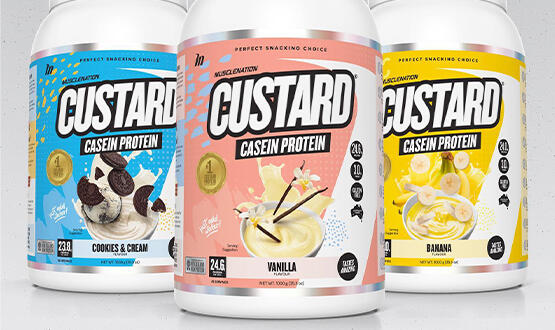
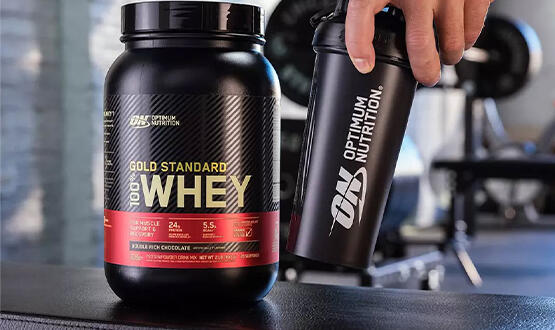
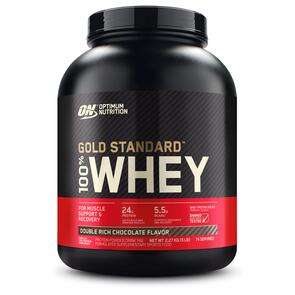
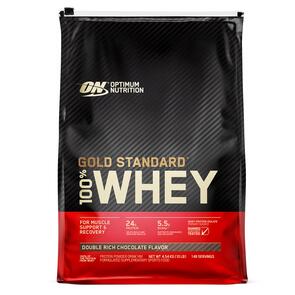
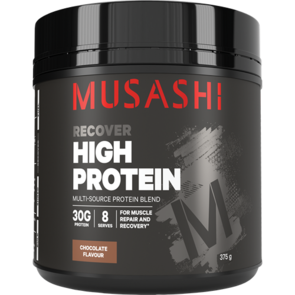
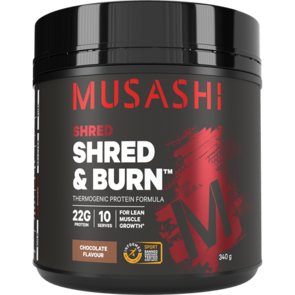
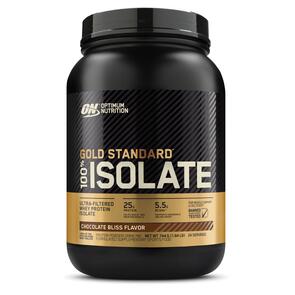
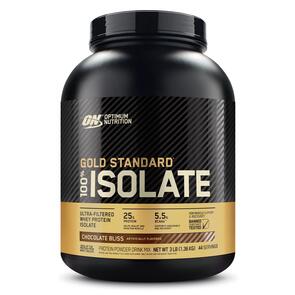
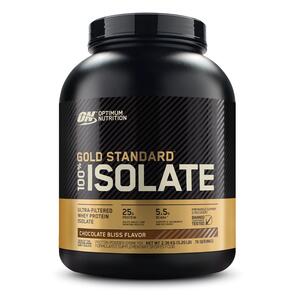
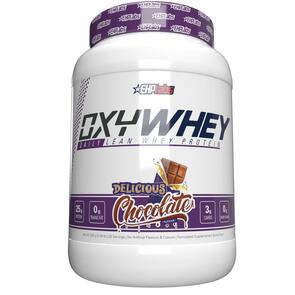
Whether you’re building muscle, supporting recovery, or simply fuelling your day, our protein powders deliver real results. Explore New Zealand’s widest range from trusted brands like Optimum Nutrition, Musashi, EHP Labs and Ryse — all at unbeatable prices and with lightning-fast delivery.
Your goals don’t quit — and neither do we. Sprint Fit. Forever Forward.
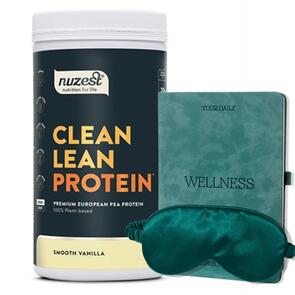
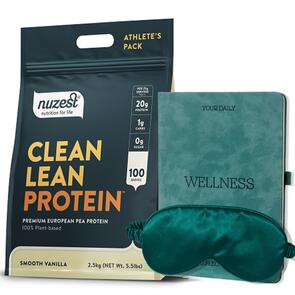
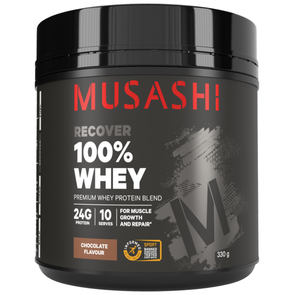
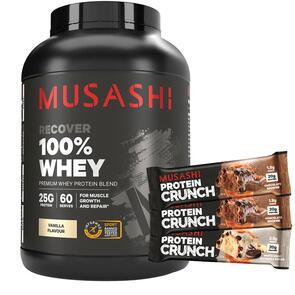


Frequently Asked Questions: Protein Power
What is protein powder and what is it made from?
Protein powder is a dietary supplement that provides a concentrated source of protein. It is typically used to increase one's protein intake, often for the purpose of muscle building, recovery after exercise, weight management, or as a convenient way to meet protein needs in a diet. Protein is an essential macronutrient that plays a crucial role in various bodily functions, including muscle repair and growth, enzyme production, and immune system support.
What is protein powder good for?
Protein is necessary for the growth, repair, and maintenance of tissues, and it serves several other vital functions:
· Muscle Growth and Repair: Protein is a fundamental component of muscles, and consuming enough protein helps repair and build muscle tissue. This is particularly important for athletes, bodybuilders, and individuals engaged in regular physical activity.
· Satiety and Weight Management: Protein-rich foods can help you feel full and satisfied, potentially reducing overall calorie intake and aiding in weight management.
· Immune Function: Antibodies, which are crucial for immune system function, are proteins. A sufficient intake of protein helps support a strong immune system.
· Tissue Repair and Maintenance: Protein is needed for the repair and maintenance of all body tissues, including skin, hair, nails, and internal organs.
What are the different types of protein powders and which one is best for my goals?
Protein powder can be made from various protein sources, and the choice of source often depends on dietary preferences, allergies, and fitness goals.
Here are some common sources of protein powder:
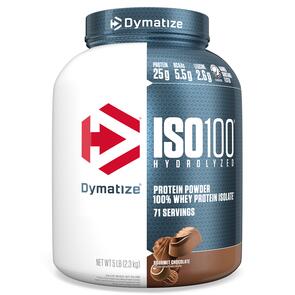
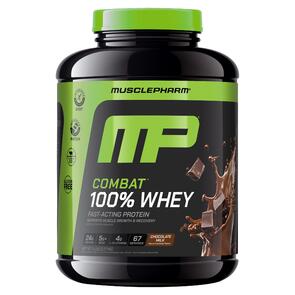
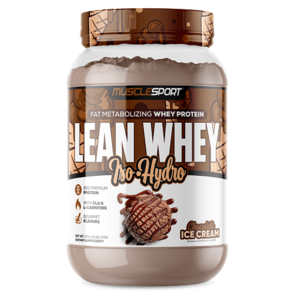
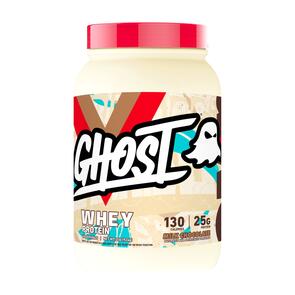
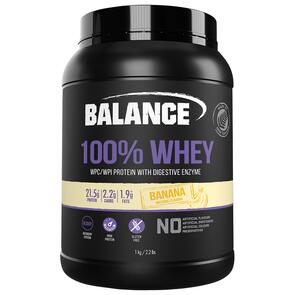
- Whey Protein: Derived from milk during the cheese-making process, whey protein is one of the most popular and easily digestible forms of protein. It contains a complete profile of essential amino acids and is quickly absorbed by the body.
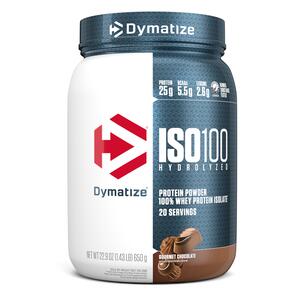
- Whey protein isolate: being higher in protein content and lower in fats and carbohydrates.
- Casein Protein: Also derived from milk, casein protein is digested more slowly compared to whey, providing a sustained release of amino acids. It's often taken before bedtime to support muscle recovery during sleep
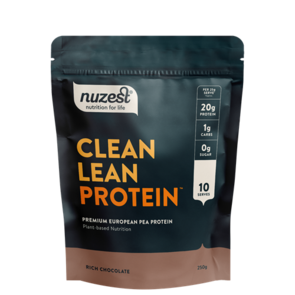
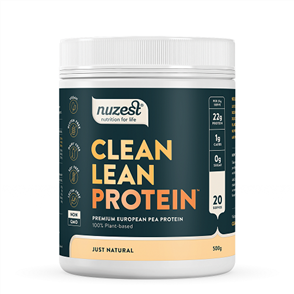
- Plant-Based Proteins: These protein powders are made from plant sources such as peas, rice, hemp, soy, and others. They are suitable for vegetarians, vegans, or individuals with lactose intolerance or dairy allergies. Different plant-based protein powders offer varying amino acid profiles.
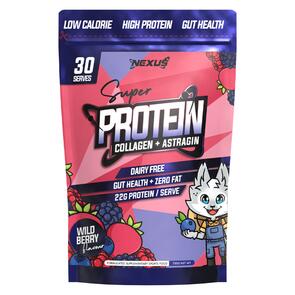
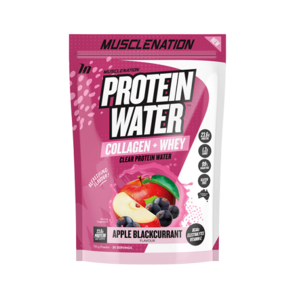
- Collagen Protein: Collagen protein powder is derived from animal connective tissues and is rich in collagen peptides. It is often used to support skin, joint, and hair health.
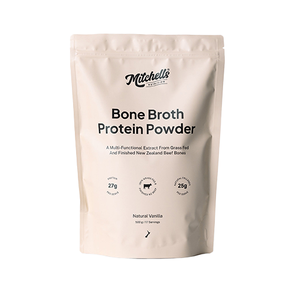
Other Sources: Protein powders made from less common sources, like beef and bone broth, are also available, though they are less prevalent in the market.
How do I take protein powder?
Here are some common ways to use protein powder:
Protein Shakes:
• The most common way to use protein powder is by making protein shakes. Simply mix the recommended serving size of protein powder with water, milk (dairy or non-dairy), or a liquid of your choice in a shaker bottle or blender.
• You can also add fruits (e.g., bananas, berries), vegetables (e.g., spinach, kale), nut butter, yogurt, or other ingredients to create a more flavorful and nutritious shake.
Smoothie Bowls:
• Create smoothie bowls by blending protein powder with a thicker base like yogurt, frozen fruits, and a small amount of liquid. Top the bowl with granola, nuts, seeds, and fresh fruits for added texture and flavor.
Oatmeal and Cereal:
• Stir protein powder into your morning oatmeal or cereal for an extra protein boost.
Baking and Cooking:
Incorporate protein powder into recipes for baked goods like muffins, pancakes, waffles, and protein bars. Just replace a portion of the flour in the recipe with protein powder.
Yogurt or Cottage Cheese:
• Mix protein powder into yogurt or cottage cheese for a quick and protein-rich snack.
What are protein powder combos?
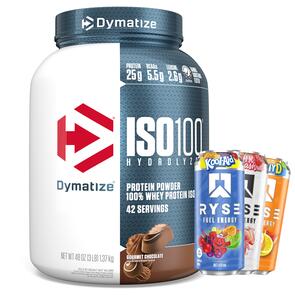
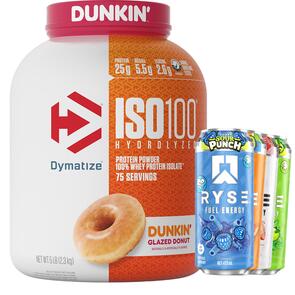
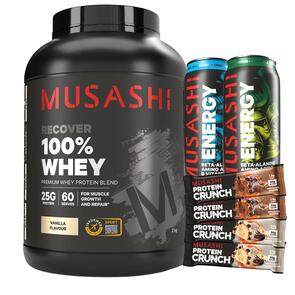
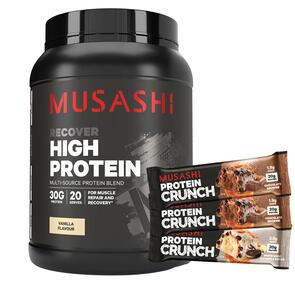
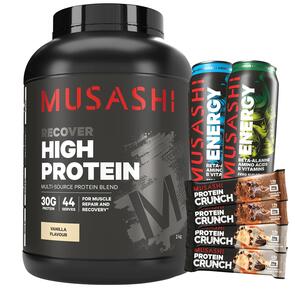
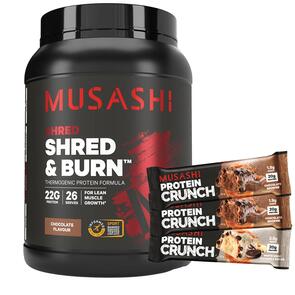
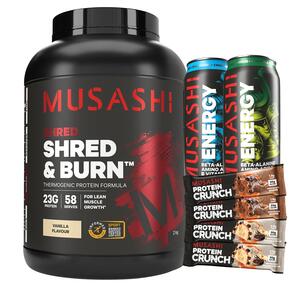
We offer a range of protein powder combo packages, providing a range of protein types and additional supplements. These combinations are designed to provide more comprehensive support and assist with reaching specific fitness goals.
Do you offer protein powders for varying dietary needs?
Yes! We have an extensive range of vegan-friendly and gluten-free protein powders, allowing those with dietary restrictions to get the protein they need to support their fitness goals.
What if I don’t like the taste of protein powder?
You’re not alone—taste matters. The good news? There are heaps of delicious protein powderoptions to choose from, from classic chocolate and vanilla to fun flavours like cookies & cream or caramel latte. You can also mix your protein into smoothies, oats, or yoghurt for a tastier experience.
Is it better to take protein powder or creatine?
Protein powder and creatine have different roles, so the better choice depends on your fitness goals.
- Protein powder supports muscle growth and repair, making it ideal for recovery and meeting daily nutritional needs.
- Creatine enhances strength, power, and high-intensity performance, especially useful for weightlifting or sprint-based training.
Many gym-goers use both to support lean muscle development and performance.
- Want to build muscle and recover faster? Go with protein.
- Want to boost power and strength? Add creatine.
Does protein powder have side effects? Is protein powder safe?
For most people, protein powder is safe and easy to digest. Occasionally, some may experience bloating, gas, or mild digestive discomfort, especially with dairy-based proteins like whey concentrate. If you’re sensitive, try whey isolate or plant-based protein. Always follow the serving suggestions and check the ingredients if you have allergies or intolerances.
Will protein powder make me gain weight?
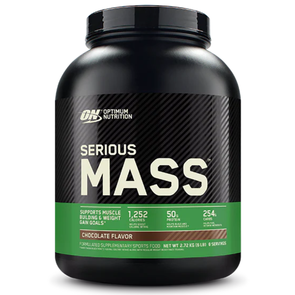
Protein shakes won’t make you gain weight on their own. Weight gain happens when you’re in a calorie surplus, consuming more than you burn. If you're using protein powder to meet daily needs and support training, it can help you build lean muscle without unwanted fat gain. If your goal is to bulk, try a mass gainer with higher calories and carbs.